Decorative Floral Divider Review
As a designer who’s spent years working with machine embroidery designs, I always approach new files with a critical eye. The Decorative Floral Divider caught my attention for its elegance and versatility, but I wanted to see how it would hold up in real-world projects before recommending it to others.
First Impressions: A Timeless Touch
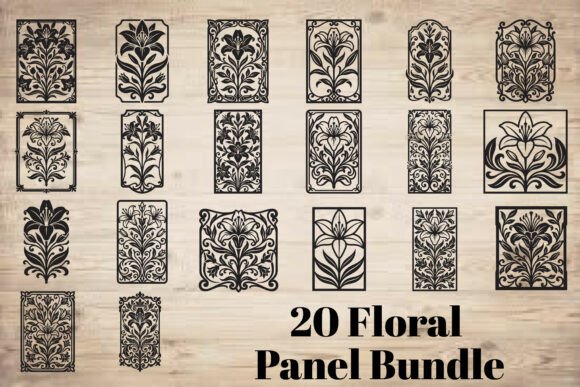
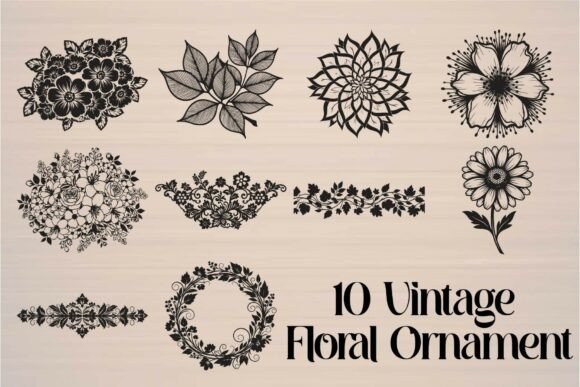
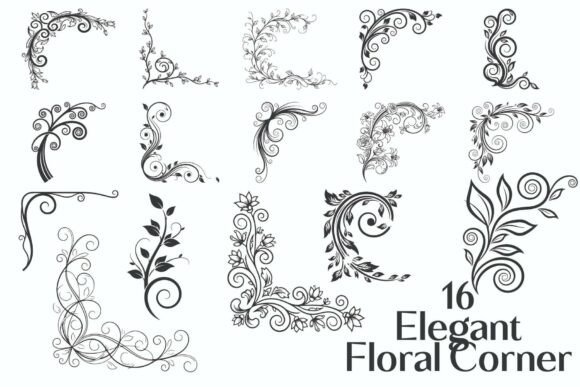
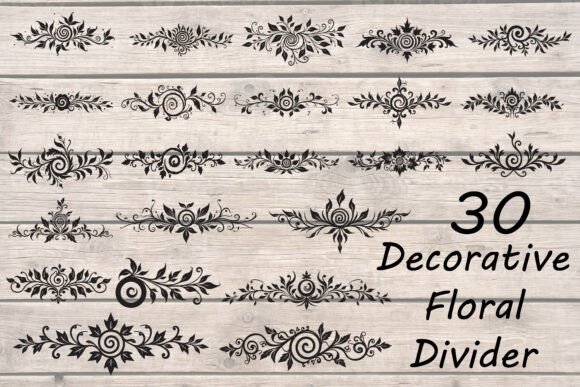
The first thing that stands out about the Decorative Floral Divider is its refined aesthetic. These 30 floral dividers and ornamental elements are crafted with a classic, timeless feel. The shapes are intricate yet balanced, with a soft, flowing quality that suggests traditional craftsmanship. Each design has a distinct personality—some are bold and dramatic, while others are delicate and understated.
The layout of the designs makes them ideal for adding visual interest without overwhelming the main subject. Whether used as borders, separators, or accents, they bring a sense of sophistication to any project. This makes them particularly well-suited for handmade products, personalized gifts, and boutique merchandise.
Real-World Use: From Tote Bags to Holiday Gifts
I tested the Decorative Floral Divider on a few different projects to see how it performed. One of the first was a custom embroidered tote bag for a client who wanted something elegant yet functional. The design added a subtle, decorative touch that elevated the overall look without being too busy.
On a sweatshirt, the same design worked well as a border along the hem and sleeves. It provided a clean, professional finish that complemented the rest of the embroidery. For baby items, such as a onesie or a blanket, the floral elements were gentle and appropriate, avoiding anything too complex for a child’s clothing.
Another test involved using the design as an embroidered patch. The details held up well, and the stitch density was just right—not too dense to cause puckering, but not so light that it looked incomplete. This makes the Decorative Floral Divider a solid choice for patches, aprons, and other wearable items.
Where to Be Cautious: Practical Considerations
While the Decorative Floral Divider is versatile, there are some situations where it may not perform as well. On small hoop sizes, the detail can become lost, especially if the design is too fine. For this reason, it’s best suited for larger hooping areas or when used as a repeating pattern.
Textured fabrics, thin materials, and stretchy weaves can also be problematic. The stitching might not sit flat or could cause distortion. Dark fabrics may require a contrast thread color to make the design stand out, and layered garments can complicate the placement and visibility of the design.
Curved surfaces like caps or hoods also present challenges. The design may not lie flat, and the curvature can affect how the stitches lay. For these reasons, it’s important to test the Decorative Floral Divider on the intended fabric before committing to a full project.
Impact on Visual Appeal and Branding
The Decorative Floral Divider adds a level of polish that can enhance the visual appeal of any finished product. It brings a sense of craftsmanship and attention to detail that customers often appreciate. For small business owners and Etsy sellers, this can translate into higher perceived value and greater customer trust.
In terms of branding, these designs can help maintain consistency across a product line. Whether used on apparel, home decor, or printable mockups, the floral elements offer a cohesive aesthetic that reinforces a brand’s identity. They also make products more giftable, as the elegant design adds a special touch that feels thoughtful and personal.
Designer Notes: Best Practices for Success
Before using the Decorative Floral Divider, I recommend testing it on scrap fabric. This allows you to assess how the stitches look and whether the design works with your chosen thread colors and stabilizer. Pay close attention to the stitch density—too much can cause puckering, while too little can result in a weak appearance.
Check the hoop size required for each design and ensure it matches your embroidery machine’s capabilities. For intricate details, use a proper stabilizer to prevent shifting or distortion. Also, consider how the design will look on both light and dark backgrounds, as this can affect visibility and contrast.
If you’re planning to sell finished items or digital products, make sure to review the licensing terms. Even though the Decorative Floral Divider appears to be suitable for commercial use, it’s always wise to confirm the specifics before proceeding.
Conclusion: A Valuable Addition to Your Design Toolkit
The Decorative Floral Divider is a strong option for designers looking to add a touch of elegance to their work. Its versatility, refinement, and adaptability make it suitable for a wide range of projects—from custom apparel to holiday gifts. With proper testing and consideration, it can elevate the quality of your handmade products and strengthen your brand’s visual identity.